
 Email Us
For many people, the journey of overcoming opioid addiction can feel like navigating an intricate maze, filled with setbacks and unanswered questions. It’s a path marked by determination, resilience, and often, a profound need for understanding and support. Here at Carolina Psychiatry and Addiction Services, we understand this journey, and we’re committed to walking alongside you every step of the way.
What is Suboxone?
Understanding the role of Suboxone, a medication frequently used in treating opioid use disorder, is paramount to unraveling the treatment landscape. Suboxone is a medication that plays a pivotal role in medication-assisted treatment (MAT), an evidence-based approach that combines medication with counseling and behavioral therapies.
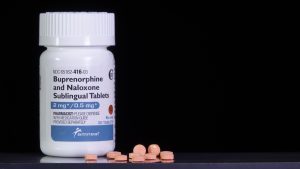
At its core, Suboxone is a formulation of two medications: buprenorphine and naloxone. Buprenorphine, the primary component, is a partial opioid agonist. This means it activates the opioid receptors in the brain to a lesser degree than full opioid agonists like heroin or oxycodone. By binding to these receptors, buprenorphine effectively reduces cravings and mitigates withdrawal symptoms, allowing individuals to experience a sense of normalcy without the intense highs and debilitating lows associated with opioid use.
Naloxone, the second component, is an opioid antagonist. While inactive when Suboxone is taken as prescribed (under the tongue), it serves a crucial purpose: if someone attempts to misuse the medication by injecting it, the naloxone will immediately precipitate severe withdrawal symptoms. This mechanism effectively acts as a deterrent, reducing the potential for misuse.
Navigating Potential Side Effects
Like any medication, Suboxone can have side effects, though they are generally manageable and often resolve as the body adjusts to the medication. Common side effects may include:
- Nausea, vomiting, and constipation
- Headaches
- Insomnia or other sleep disturbances
- Drowsiness or dizziness
- Sweating
- Back pain
- Mouth numbness or burning
It’s crucial to understand that these side effects are often temporary and can be effectively managed with the guidance of your healthcare provider. Open communication is key; if you experience persistent or bothersome side effects, don’t hesitate to discuss them with your treatment team at Carolina Psychiatry and Addiction Services.
The Power of Management in Overcoming Addiction
The journey to overcoming addiction isn’t a solitary sprint but rather a marathon of transformation. While Suboxone is a powerful tool, it’s not a standalone solution. A comprehensive management plan, rooted in individualized care and a holistic approach, is essential for sustainable recovery.
Here’s how careful management with Suboxone can help you overcome addiction:
1. Stabilizing the Brain Chemistry: Opioid use disorder profoundly impacts the brain’s reward system, leading to altered chemistry and function. Suboxone works by stabilizing this chemistry, reducing cravings and withdrawal, and allowing the brain to begin the healing process.
2. Reducing Cravings and Withdrawal: The relentless pull of cravings and the physical and emotional distress of withdrawal can be significant barriers to recovery. Suboxone mitigates these symptoms, creating a crucial window of stability that enables individuals to focus on therapy and other aspects of treatment.
3. Enhancing Engagement in Therapy: Counseling and behavioral therapies are cornerstones of lasting recovery. However, engaging fully in therapy can be challenging when grappling with cravings and withdrawal. By stabilizing brain chemistry and reducing symptoms, Suboxone can empower individuals to actively participate in therapy, identifying triggers, developing coping mechanisms, and building a strong foundation for a drug-free life.
4. Building a Supportive Network: Recovery thrives in a supportive environment. Comprehensive treatment programs, like those offered at Carolina Psychiatry and Addiction Services, often incorporate group therapy and support groups, fostering connections with peers who understand the unique challenges of addiction.
5. Long-Term Recovery and Relapse Prevention: Addiction management is an ongoing process. Suboxone can play a significant role in long-term recovery, supporting individuals as they navigate the challenges of daily life and reduce the risk of relapse. By stabilizing brain function and reducing cravings, Suboxone empowers individuals to make informed, healthy choices that align with their recovery goals.
6. Breaking the Cycle of Misuse: Suboxone, when used correctly as part of a structured program, can break the vicious cycle of opioid misuse and its devastating consequences. It provides a safer alternative to illicit opioids, reducing the risk of overdose, infectious diseases, and legal complications associated with drug use.
7. Improving Quality of Life: The grip of addiction can erode every aspect of life – relationships, employment, health, and emotional well-being. By stabilizing brain function and supporting recovery, Suboxone can help individuals reclaim their lives, rebuild relationships, pursue career goals, and experience a renewed sense of purpose and meaning.
Personalized Treatment at Carolina Psychiatry and Addiction Services
At Carolina Psychiatry and Addiction Services, we understand that no two individuals are alike. We emphasize personalized treatment plans tailored to meet your unique needs and circumstances. Our compassionate and experienced team is dedicated to providing comprehensive care that goes beyond symptom management, addressing the underlying causes of addiction and empowering you to achieve lasting recovery.
We offer a range of services to support your journey, including:
- Comprehensive Assessment: We perform a thorough assessment to understand your history, needs, and goals, which helps us develop a personalized treatment plan.
- Medication-Assisted Treatment (MAT): Our experienced providers can incorporate Suboxone into a comprehensive treatment plan, closely monitoring its effectiveness and addressing any concerns you may have.
- Individual and Group Therapy: We offer individual and group therapy sessions, drawing on evidence-based approaches like Cognitive Behavioral Therapy (CBT) and Dialectical Behavior Therapy (DBT) to address the underlying causes of addiction and build coping skills.
- Peer Support: Connecting with others who have faced similar challenges can be immensely valuable. We offer access to peer support services to provide encouragement and shared understanding.
- Relapse Prevention Planning: We work closely with you to develop a robust relapse prevention plan, equipping you with the strategies and resources needed to navigate challenges and maintain long-term recovery.
The Compassionate Path to Healing
Overcoming opioid addiction is a journey of courage, strength, and hope. It’s a path that requires perseverance, patience, and a willingness to seek support. If you or a loved one is struggling with opioid use disorder, know that you are not alone.
Understanding the role of Suboxone as a safe and effective tool within a comprehensive management plan is a significant step toward reclaiming your life. By stabilizing brain chemistry, reducing cravings and withdrawal, and empowering engagement in therapy, Suboxone can provide the foundation needed for lasting recovery.
We are committed to providing compassionate, evidence-based care to support your journey. With physical locations in Greenville, SC, Charlotte, NC, and also telehealth appointments, we offer flexible options to ensure that high-quality addiction treatment fits seamlessly into your life, no matter where you are. Contact us today to learn more about our treatment options and take the first step toward a healthier, more fulfilling future. You don’t have to walk this path alone.

 What Conditions Are Treated at Carolina Psychiatry & Addiction Services